Kitting & kit assembly | Menomonee Falls, Wisconsin

Contract Kitting & Kit Assembly Services in Wisconsin

Complete kits. More room for your core production.

RELY builds production, installation, service and product kits to your approved requirements, from component preparation and kit build through verification and release. Move recurring kit work off your floor, launch a new configuration, or transfer a program from another supplier.

ISO 9001:2015 certified quality management system52,000-square-foot Wisconsin facility

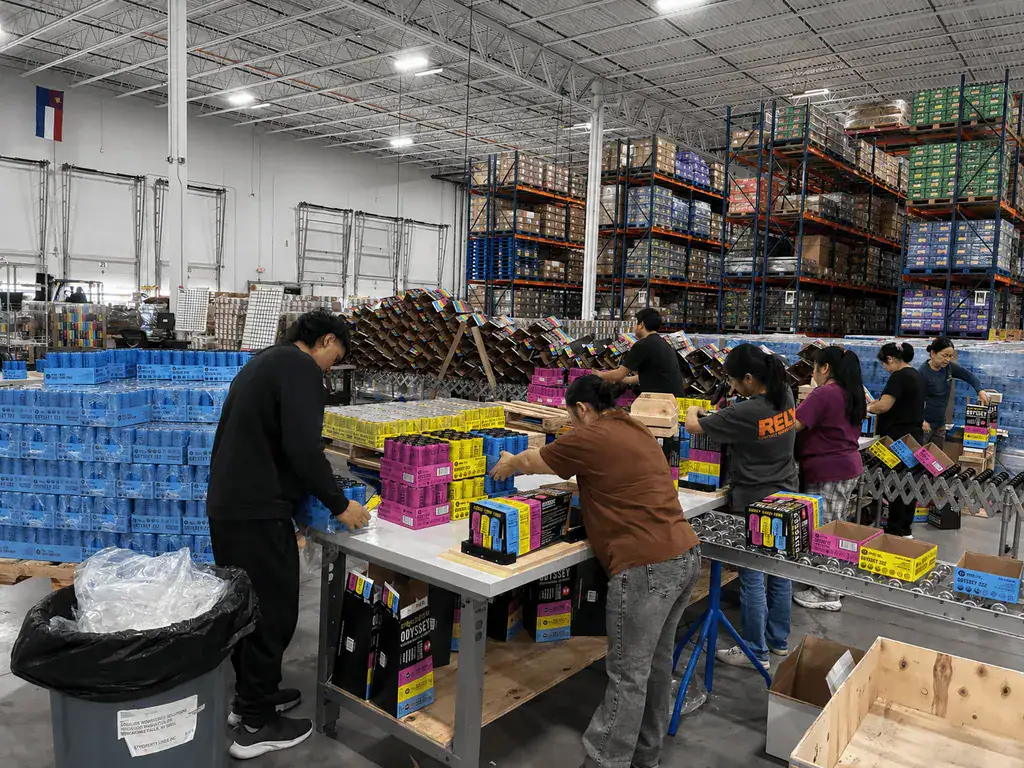
RELY team members building beverage variety packs at kitting tables
Variety-pack kit build · RELY floor

Different programs. Specific results.

Historical results from the programs shown. Peak output is not a standard capacity commitment.

Where the work fits

Keep kitting from competing with your main production.

Counting hardware, gathering components, updating instructions and checking cartons all take people, space and attention. When that work becomes a recurring constraint, it needs a defined process and someone responsible for the result.

RELY takes responsibility for the agreed kit operation while your team keeps control of product requirements and approvals. Start with one kit family and add assembly, purchased components, packaging or scheduled releases as the program grows.

  • Production and component kits

    Group the parts required for a defined production task or product configuration, with quantities, identification and pack arrangement set around how your next operation uses the kit.

  • Installation, accessory and hardware kits

    Combine the specified hardware, accessories, components, labels and instructions for installation or setup, with model-specific contents and documentation established before production.

  • Service, repair and aftermarket kits

    Prepare replacement components, hardware, instructions and supporting subassemblies for technician, dealer or service-parts programs. For legacy products, documentation, component availability and expected demand are reviewed first.

  • Retrofit and upgrade kits

    Build a defined set of components and instructions for an approved product change, tied to the applicable model, revision and release requirements.

  • Product bundles and variety packs

    Combine finished products into specified assortments, multipacks and promotional configurations, with quantities, labeling, packaging and destination set for each packout.

Work you can evaluate

Kitting evidence beyond a capability list.

Three programs with different components, configurations, labor and documentation. Each shows the work RELY managed and the result recorded.

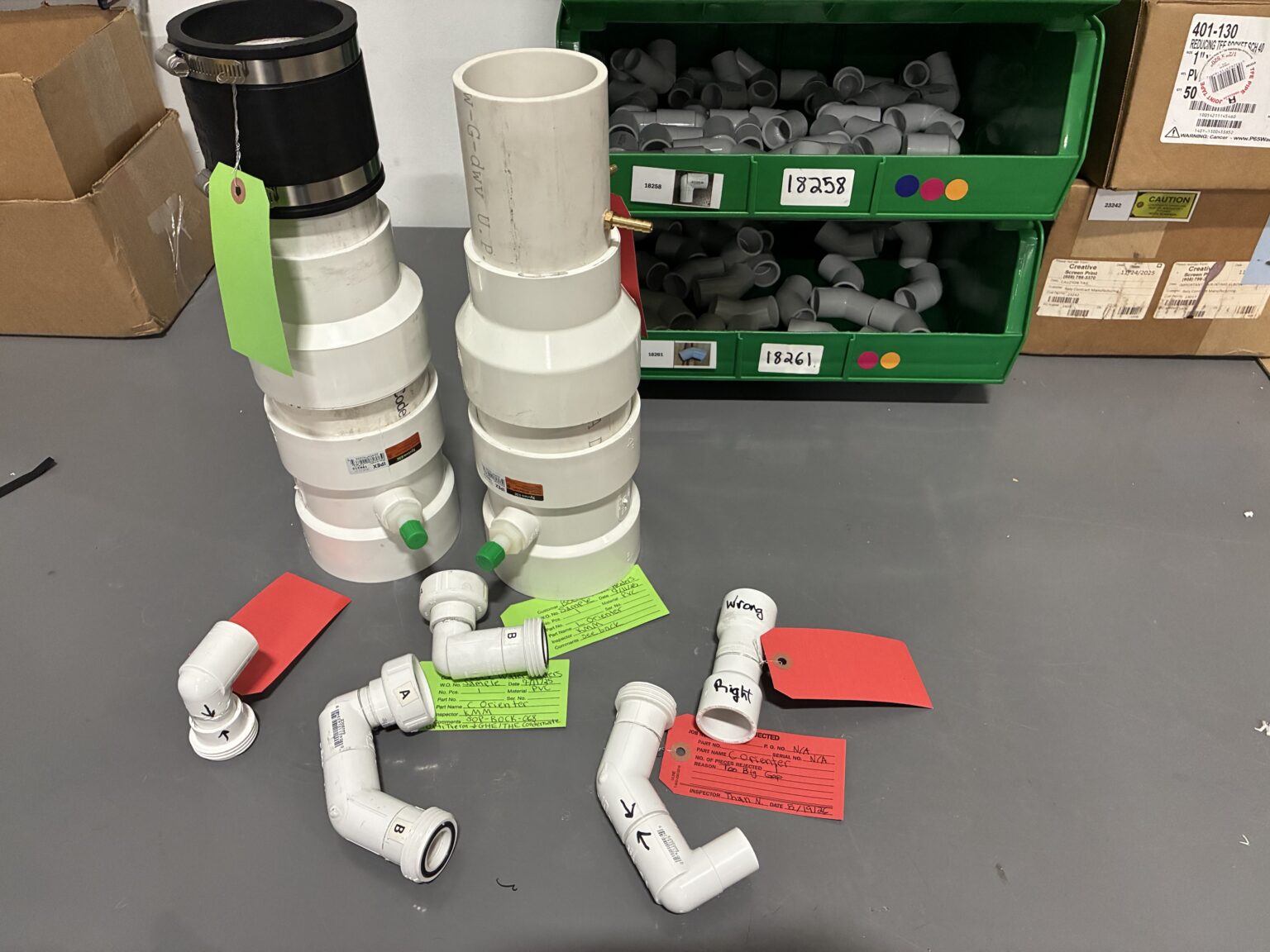
PVC fittings and subassemblies with inspection tags

Industrial program | Case Study 20

21 kit configurations, with assembly and procurement in the same scope.

A water heater manufacturer needed to expand without continuing to pull experienced assemblers away from its main line. RELY took on subassembly production and procurement across more than 150 component SKUs, with 21 kit configurations prepared for the customer's crating operation and QC checklist.

2,400+
Subassemblies per month
150+
Component SKUs
2,000
Sq ft of customer production space freed
700
Customer assembly hours saved in the first three months

Results reflect the combined subassembly, procurement and kitting scope, not kitting alone. Subassembly output is not a count of completed kits.

Read the industrial program case study

Retail launch | Wisconsin injection molder

Two shifts and an audited release for a national retail launch.

After an initial recovery job, RELY established an off-site kitting operation for a housewares launch. Following an early production stop, the first 1,000 kits passed the end customer's audit and full production was released.

By March 6, 2026, RELY had logged 83,122 kits containing 664,976 bowls and lids, with a peak of 6,720 kits in one day and 31,518 in one week. The program also handled a relabel for a second retail channel, and RELY completed the final 1,280 kits on a next-day turnaround.

The program ran January through June 2026. The 83,122 figure covers the period through March 6, not the full program.

Read the retail-launch kitting story

Product kitting and fulfillment | Case Study 19

194 SKUs and more than 20 packout formats for a beverage brand.

RELY combined variety-pack and multipack kitting with Amazon FBA fulfillment execution: packout definitions, written instructions, labeling, shipment coordination, and lot and expiration-date verification during kitting.

The published case reports 360,000 units fulfilled through FBA in 2025, with 194 SKUs and more than 20 packout formats supported.

The 360,000 figure counts fulfilled product units, not completed kits.

Read the variety-pack and fulfillment case study

Define the checks before the build

The right kit means more than the right piece count.

Component identity, quantity, revision, documentation and packaging have to agree. RELY builds the work instructions and verification steps around your approved kit definition. Exceptions are escalated, never treated as permission to substitute.

What each program defines

Control areaWhat gets defined
Kit configurationFinished-kit part number or SKU, approved component list and quantities
RevisionsApplicable drawings, instructions, labels and the approval path for changes
MaterialsReceiving checks, material ownership, shortage escalation and substitution authority
Build verificationVisual instructions, reference samples, inspection points and barcode checks where specified
TraceabilityRequired identification and links between component lots, work orders, finished kits and shipments
ReleaseApproval requirements, pack specifications, records and shipping instructions

Verification method and traceability depth are set for each program. A finished-kit batch record is different from full component-to-kit traceability, so tell us which records your quality and service teams need before the method is finalized.

Historical example | 2022

In a documented 2022 test-kit launch, RELY used 19 documented assembly and inspection steps, count verification for each kit and shipment certificates of conformance carrying component lot numbers. The example shows the records used for that program; it is not a medical certification claim or a standard workflow for every kit.

From Quote to Scale

Establish the method before expanding the volume.

  1. 01

    Scope the kit

    Review contents, configurations, demand, timing, material responsibility and approval requirements.

    OutputAn agreed operating scope and named responsibilities.

  2. 02

    Build the production and material plan

    Define work instructions, material flow, packaging, verification and how shortages or changes are handled.

    OutputA documented method and required control points.

  3. 03

    Review a sample or pilot

    Confirm what the first build must demonstrate, which records it needs and who approves it.

    OutputEvidence for a release decision.

  4. 04

    Set the recurring cadence

    Agree releases, inventory rules, reporting and how approved changes are introduced.

    OutputA defined schedule and operating handoff.

Moving an existing program? Transition planning also covers open demand, available inventory, current supplier responsibilities and the changeover between operations, and can start with a single kit family. Explore production transfers

Materials, assembly and fulfillment

Bring the components, or review a broader manufacturing scope.

Customer-supplied, RELY-procured or a combination.

Some customers supply every component. Others need procurement and supplier coordination included. Purchasing, approved sources, inventory ownership, replenishment, shortages and excess or obsolete stock are defined before quoting, in the commercial agreement rather than assumed from who stores the material.

Assembly before kitting.

A kit can include a subassembly built by RELY alongside purchased parts and instructions. Assembly, agreed inspection or testing, kitting and packout are planned as one operating scope, so the handoffs are designed in.

Explore contract assembly and subassembly

Packaging and fulfillment after the kit is built.

Finished kits can return to your plant, be held for scheduled releases, or ship to an agreed distribution, dealer, retail or customer destination. Inventory ownership, release quantities, order cadence, labels, routing and shipping responsibility are set before the first shipment.

For programs that also need order receipt, pick and pack, and shipment execution, see our Fulfillment Services.

RELY also supports variety packs, multipacks and other secondary packaging of finished, packaged products, including programs with retail and Amazon FBA requirements. For food and beverage, this is secondary packaging only, not filling, formulation or food processing. For packaging-led programs, see Contract Packaging & Variety Packs.

Storage, packaging materials and transportation are quoted as defined line items, so the quote covers the full scope rather than assembly labor alone.

For relabeling, repackaging and product preparation, explore value-added manufacturing.

Wisconsin operating base

A Milwaukee-area partner for your kitting program.

RELY operates from a 52,000-square-foot facility in Menomonee Falls, Wisconsin. Programs from Wisconsin and across the Midwest are evaluated around actual material flow, shipping frequency, handling and delivery requirements.

A sample review or facility visit can be part of the evaluation. The goal is a workable operating relationship, not just the shortest distance between two buildings. Ask about a sample review or pilot

Kitting FAQs

Questions to resolve before outsourcing kitting.

What is the difference between kitting and assembly?

Kitting combines specified items into a defined set. Assembly joins components into a subassembly or finished product. A program may need both, such as a RELY-built subassembly packed with purchased hardware and instructions.

What does RELY need to review a kitting program?

Start with the kit contents, configurations, expected quantities, release pattern and timing. Packaging, material ownership and quality or traceability requirements help define the quote. A complete RFQ is not required for an initial discussion.

Is there a minimum order quantity?

Minimums are program-specific. Setup, sourcing, labor content, changeovers and release frequency determine a practical quantity. A pilot can have a different quantity and cost structure from recurring production.

How quickly can a program start?

Timing depends on documentation, materials, work content, verification needs and current capacity. RELY reviews those inputs before committing to a first-build or shipment date. Results from other programs are not a standard lead-time promise.

How does RELY control kit contents and traceability?

Every build runs to the approved kit definition: components, quantities, revisions, labels and packaging. Verification steps and records are set for each program, from kit-level identification to component-lot traceability. The quality controls section above shows what gets defined.

Can RELY hold inventory and ship kits on release?

Yes, when included in the agreement. Ownership, replenishment, storage, release instructions, reporting, revision changes, obsolescence and shipping responsibility are defined as part of the program.

Can we start with a pilot or transfer from another supplier?

Yes. A sample review, pilot or staged transfer establishes what the receiving operation must demonstrate before recurring releases begin, starting from the current kit definition, material availability, open demand and required approvals.

Will outsourced kitting cost less than doing it internally?

Compare the complete operating scope: supplier pricing, freight, internal labor, supervision, material handling, quality, inventory and the effect on core production. Time released from kitting may add production capacity without removing the same amount of payroll expense, so separate capacity gained from cash costs eliminated.

More kitting, packaging and fulfillment questions

Start with one kit family

Bring us the kit work that needs a better operating plan.

Tell us what belongs in the kit, the volume you expect, when you need it and what makes the work difficult today. We will review the fit and identify what is needed for a quote, sample review, pilot or transfer discussion.

Need an NDA? Tell us before sending confidential drawings, BOMs or supplier information. Do not send confidential technical files through the public form or ordinary email; request a controlled handoff first.