Automotive & Off-Highway
Assembly, kitting and containment for automotive and off-highway manufacturers.
RELY Contract Manufacturing helps automotive OEMs, Tier 1 and Tier 2 suppliers, and off-highway equipment manufacturers manage suspect parts, assembly bottlenecks and supplier transitions. Move a defined subassembly, kit or inspection operation to RELY with documented instructions, material control and checks to your requirements.
RELY responds to urgent sortation and containment inquiries within one business hour. Deployment and completion timing depend on the criteria, quantity, location and inspection method.
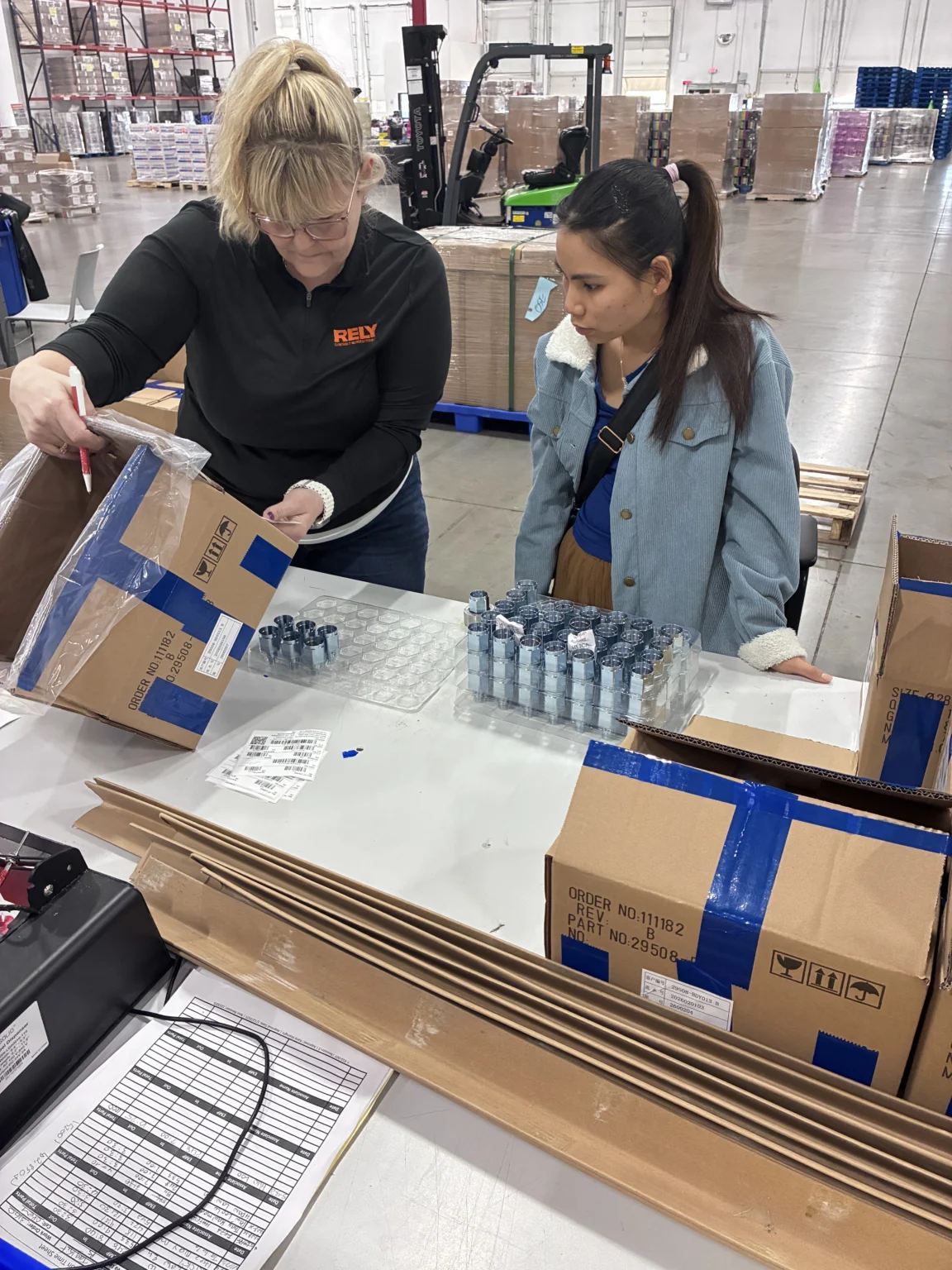
Inspection table · RELY floor
At a glance
Defined work. Clear ownership.
RELY takes ownership of an agreed inspection, assembly or kitting operation: work instructions, trained operators, material control, checks and reporting. Automotive and off-highway programs are scoped around your parts, demand, quality requirements and approvals.
- Audience
- Automotive OEMs, Tier 1 and Tier 2 suppliers, and off-highway equipment OEMs and component suppliers
- Programs
- Supplier containment and rework, mechanical and electromechanical assembly, production and service kits, and supplier transfers
- Off-highway applications
- Agricultural, construction, mining and mobile material-handling equipment. Fit is reviewed for the specific component or operation.
- Location
- On-site sorting and containment support covers Wisconsin and the Midwest. Material from elsewhere can be shipped to RELY in Menomonee Falls; supplier-site work requires authorization.
- Urgent line
- 262.853.1634, response within one business hour for urgent sortation and containment
- Credentials
- ISO 9001:2015 certified. Member of MEMA and MichAuto
Proof · Case No. 17 · Tier 1 automotive supplier
Parts from 16 suppliers. One containment owner.
- Starting problem
- Parts from 16 global suppliers were failing incoming inspection or faulting in-line equipment at two of a Tier 1 supplier’s facilities, with no one dedicated to sorting, holding material and working the suppliers.
- What RELY owned
- Supplier communication and RMA coordination, custody of nonconforming inventory once copied on a supplier NCR, and transportation between RELY and both facilities.
- What RELY did
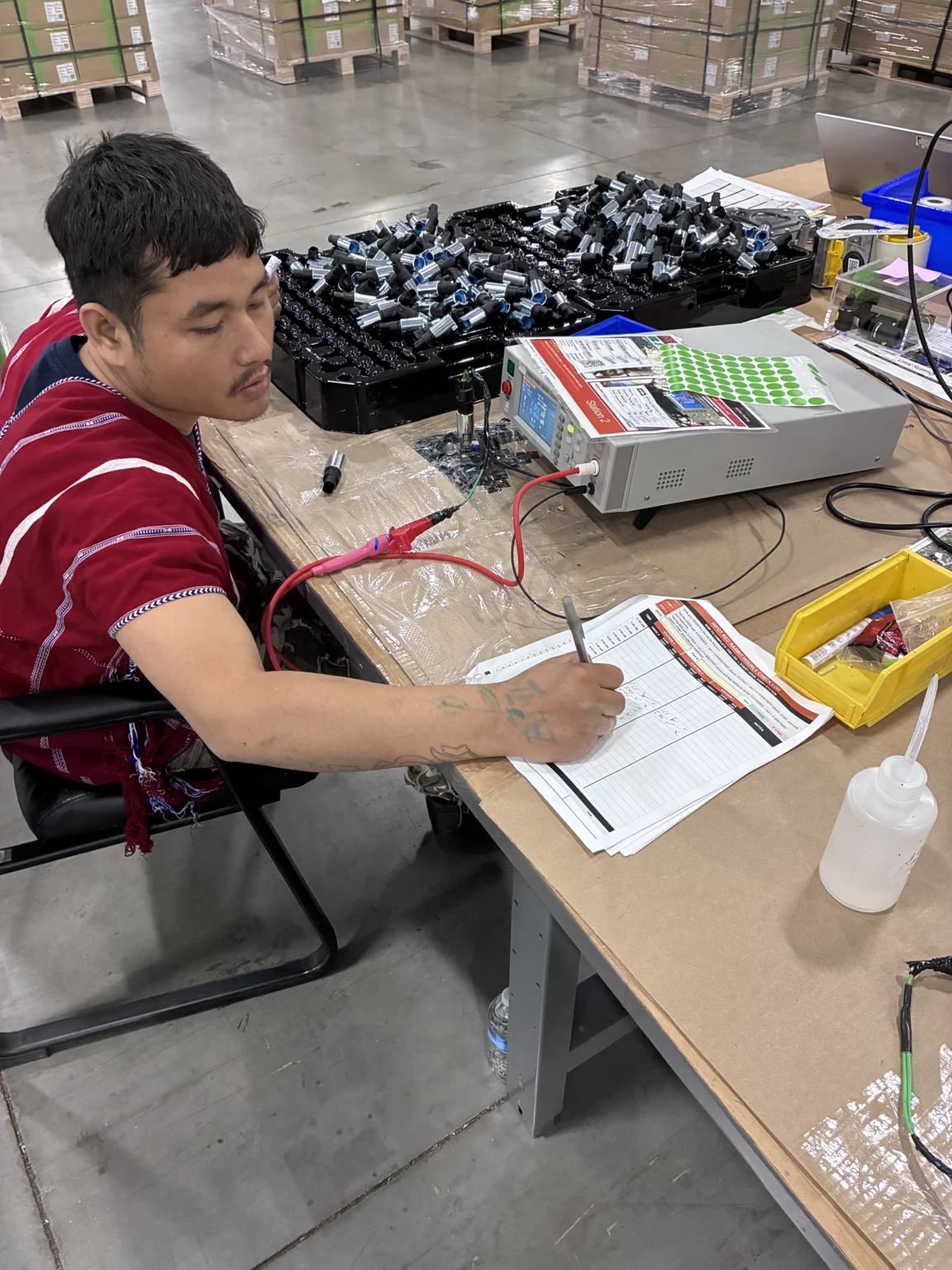
- Visual, dimensional, electrical and functional inspection; in-transit interception; multi-stage reclamation and rework; daily and weekly reports with lot-level traceability by failure mode; good and bad samples with photos for supplier corrective action.
- Result
- In 2025: 4.4M+ parts sorted across 30 SKUs with 5 to 7 supplier sorts running at once. A two-week on-site proof of concept now runs 99% at RELY.
- 4.4M+
- Parts sorted in 2025
- 8,000+
- Customer hours reclaimed in 2025
- 223
- Shipments billed to the responsible supplier
- 30
- SKUs across the program
Source: RELY Case Study No. 17. Figures cover calendar 2025 for this program only. Customer hours reclaimed are as reported in the case study.
For an off-highway program, the starting questions are the same: which parts are affected, what makes a part acceptable, when are conforming parts needed, and who authorizes release?
Parts on hold
From the first call to a clean exit.
A supplier issue can put a vehicle or equipment build at risk. RELY scopes containment around approved criteria, material segregation, reporting and the next production requirement.
- 01 · Call
Response plan
Part, suspected defect, quantity and location. RELY responds within one business hour and builds the plan around what you know.
- 02 · Criteria
Written instruction
Work instruction built from approved criteria or boundary samples. Operators trained and signed off before work starts.
- 03 · Contain
Sort and segregate
Visual, dimensional, electrical or functional checks. Good, reject and uncertain material kept apart and counted.
- 04 · Report
Data by failure mode
Lot-level results with photos, on the cadence you set, as evidence for supplier corrective action.
- 05 · Release
Parts to your window
Conforming parts released under your authority and sized to the next build. Containment ends on your exit criteria.
One example: a sort of roughly 100,000 parts for a Midwest manufacturer was completed in under three days. The incumbent provider had quoted 12 to 14 weeks. Timing on any program depends on the criteria, quantity and inspection method. Supplier based outside the U.S.?
Why automotive and off-highway teams call RELY
Keep the next build moving.
A supplier defect, changing model mix or assembly bottleneck can disrupt the production plan. Start with the operation that needs attention.
01 · Supplier escape
Suspect parts are holding up production.
Incoming parts fail inspection or create problems during assembly, and your quality team cannot absorb the sorting workload.
First moveContain the affected lots, inspect to approved criteria and report by failure mode.
02 · Launch or ramp
The process is not ready for the required volume.
A new vehicle or equipment program needs production support while a fixture, assembly cell or supplier process comes up to rate.
First moveEvaluate a defined inspection, manual assembly or kitting operation against the launch requirements.
03 · Independent inspection
Your customer requires additional containment.
A customer notice calls for independent inspection, documented results and agreed exit criteria.
First moveReview the notice and required approvals, then scope the containment and reporting.
04 · Model and option mix
Variant builds are taking time from the main line.
Model-specific subassemblies, brackets, hardware packs and option kits compete for experienced assemblers and floor space.
First moveDefine the work RELY can take over, with revision control and a pilot build.
05 · Production peaks
Demand is rising faster than available capacity.
A seasonal equipment build or scheduled production increase adds assembly and kitting work to an already committed team.
First moveReview forecast, component availability and release quantities to plan the added operation.
06 · Supplier exit or service parts
The part still needs to ship.
A supplier is leaving, or dealers still need replacement parts and kits after the original vehicle or equipment model leaves production.
First moveBuild a transfer plan around demand, inventory, tooling, documentation and required approvals.
Where RELY fits
Match the problem to the service.
Suspect parts, sorted to your criteria.
Inspection, sorting, rework and reclamation at your plant, an authorized supplier location or RELY. Scope the checks, reporting, release authority and any controlled-shipping requirements before work begins.
Explore containment → Contract assembly & subassemblyMove a defined build off your main line.
Mechanical and electromechanical assemblies built to your drawings and revision, with documented work instructions, operator training and agreed inspection points.
Explore assembly → Production transfersPlan the move before supply runs short.
Transfer an agreed assembly or service-part program with a plan for tooling, inventory ownership, open orders, component supply, documentation and customer approvals.
Plan a transfer → Kitting & line-side preparationThe right components for the next build.
Model-specific hardware packs, line-side kits and dealer or service kits, verified to the approved BOM, revision, quantities and packaging requirements.
Explore kitting →Parts on hold?
Call with the part number, the suspected defect and where the material sits. RELY responds to urgent sortation and containment inquiries within one business hour.
Call 262.853.1634Assembly, kitting and program support
From launch builds to service parts.
Automotive and off-highway programs can need support at different stages: a launch, a production increase, a change in model mix or an ongoing service requirement. RELY reviews the defined operation, component supply and quality requirements before agreeing the build.
- 01Launch supportDefined manual or semi-manual assembly and inspection while a fixture or cell ramps.
- 02Model-specific subassembliesMechanical and electromechanical builds controlled to the correct drawing and revision.
- 03Production kitsHardware and component kits prepared for the model, option or scheduled build.
- 04Equipment production peaksPlanned assembly and kitting support matched to forecast and material availability.
- 05Dealer and service kitsReplacement, repair and accessory kits prepared to the approved contents and packaging.
- 06Supplier and service-part transfersDefined programs moved with tooling, inventory, documentation and approval requirements addressed.
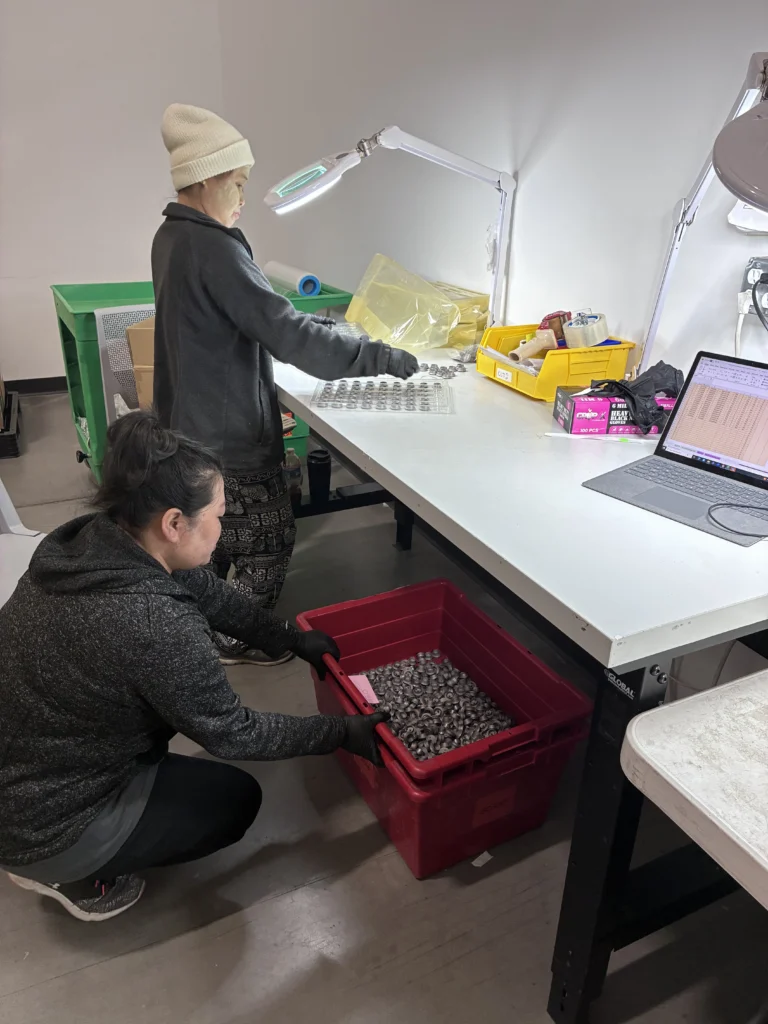
Send the drawing or BOM, expected demand and target start. RELY will review fit, required controls and a practical first build.
How the work is controlled
Records your quality team can hand to a customer.
- 01
Instruction to your criteria
Written from approved acceptance criteria and boundary samples before work starts.
- 02
Operators signed off to the task
Trained and signed off on the specific part, build or defect mode.
- 03
Segregation and count reconciliation
Good, reject and uncertain material kept apart and reconciled to the quantity received.
- 04
Lot-level reporting
Results by lot and failure mode, with photos for supplier corrective action.
- 05
Launch documentation
PPAP, APQP, control plans, process flows and first-article work, as the customer and program require.
- 06
Catch component issues during the build
Defined component checks are written into the build sequence. Material outside the approved criteria is held and escalated before the build continues.
Scope and responsibility
RELY owns the work. You retain product approvals.
The assembly, kit or containment you contracted.
- Work instructions, training and supervision
- Assembly, kitting, inspection, sorting and rework within the agreed scope
- Material control, including custody and segregation of nonconforming material once received
- The agreed checks, and supplier communication when you assign it
- Reporting on the cadence and format you set
The decisions that belong to the product owner.
- Acceptance criteria and boundary samples
- Product design and engineering changes
- Disposition and release authority for held or rejected material
- PPAP approval and any change of manufacturing location
- Controlled shipping exit decisions, where they apply
Approvals are program-specific: RELY has been accepted for Level 2 controlled shipping in multiple customer environments, and approval for one OEM or program does not carry to another. PPAP, APQP and related deliverables are defined by the customer and program. RELY’s quality management system is certified to ISO 9001:2015; customer-specific supplier requirements, including any IATF 16949 requirements, are reviewed during scoping.
Questions automotive and off-highway buyers ask
Short answers. Full answers in the FAQ.
Can RELY start a sort before we have an NCR or a written criterion?
Yes, the conversation can start without either. RELY needs the part number, suspected defect, quantity and location to build a response plan. The sort itself runs to acceptance criteria or reference samples approved by you, your supplier or your customer, so that approval comes before any part is dispositioned.
Full answer: what RELY needs to start an urgent sortDoes RELY support Controlled Shipping Level 2?
Yes. RELY has repeatedly supported customer-required CS2 and other third-party containment requirements. RELY reviews the actual containment notice, inspection requirements, reporting format and exit criteria before work begins. Some OEMs require formal approval of the containment provider, and approval for one customer does not establish approval for another.
Full answer: Controlled Shipping Level 2Can the supplier that caused the defect pay for the containment?
Often, yes. Where your commercial process and your customer allow it, RELY can bill the responsible supplier directly. In Case Study No. 17, 223 shipments were billed to the responsible supplier in 2025. Your team keeps the criteria and disposition decisions either way.
Full answer: supplier-funded containmentCan RELY work inside our plant or at our supplier?
On-site sorting and containment support covers Wisconsin and the Midwest. Material from elsewhere can be shipped to RELY in Menomonee Falls; supplier-site work requires authorization. The right location depends on where the material is, how quickly good parts are needed, the inspection method and shipping economics. On-site work runs under RELY’s supervision, not yours.
Full answer: where RELY sortsCan RELY take over an automotive or off-highway subassembly or service-part program?
Yes. RELY reviews demand, open orders, tooling, inventory, documentation, quality requirements and customer approvals before planning the transfer. Pilot builds, staged part-number transfers, parallel production or advance inventory may be used where appropriate. Any required approval of the manufacturing location is included in the plan.
Full answer: taking over from another supplierDoes RELY support PPAP and launch documentation?
Yes. RELY supports agreed PPAP, APQP, control plans, process flows, first-article activities and customer-specific launch documentation. The required approval level and deliverables are defined by the customer during launch.
Full answer: PPAP, APQP and first articleWhat off-highway work can RELY evaluate?
RELY can evaluate defined assembly, kitting, inspection, rework and transfer operations for components used in agricultural, construction, mining and mobile material-handling equipment. Fit depends on the part, process, volume, handling needs, testing and customer requirements. A drawing, BOM, sample or process description is a useful starting point.
Contract assembly and subassemblyCan RELY support seasonal equipment builds and ongoing service kits?
RELY can evaluate planned assembly and kitting work for production peaks and ongoing service demand. The plan starts with the forecast, component availability, model or kit variants, release schedule and packaging requirements. Capacity, timing and inspection needs are agreed for the specific program.
Line-side and service kittingWhat needs to move off your floor?
Bring RELY the assembly, kit, inspection step or supplier transition that is consuming your team’s time. A drawing, photo, BOM or short description is enough to start a fit review.
- Part or product family
- Annual volume or seasonal demand
- Model or kit variations
- Target start
- Current process or supplier status
General: 262.276.0050 · info@relycm.com